
Snow Chain Regulations by State
Understanding State-Specific Snow Chain Regulations
Before you hit the road this winter, it’s worth knowing when your snow chains are actually legal to use. Every state plays by slightly different rules — some only allow chains between certain dates, while others give drivers more flexibility depending on weather conditions. These laws aren’t just red tape; they’re designed to keep roads safe and protect pavement once the snow melts.
If you’re hauling across states or planning a winter trip, understanding these seasonal windows can save you from fines, downtime, and a whole lot of frustration. The guide below outlines when chains (and studded tires) are allowed so you can stay compliant, confident, and ready for whatever the road throws at you.
Connecticut
In Connecticut, snow chains are permitted only between November 15 and April 30. However, drivers must ensure that the chains do not damage the road surface. This means using approved traction devices designed for pavement protection when conditions require them.
Delaware
Delaware allows tire chains from October 15 through April 15 each year. Outside this window, chains are generally prohibited unless weather conditions make them absolutely necessary.
Minnesota
Minnesota takes a more flexible approach. Chains are allowed whenever road conditions make them necessary, and there are no fixed calendar dates. Drivers simply need to use good judgment and ensure their chains are used safely and responsibly.
North Dakota
In North Dakota, tire chains may be used whenever they’re needed for traction. Additionally, metal-studded tires are permitted between October 15 and April 15. This gives drivers an extended season for using traction devices to handle icy plains and rural highways.
Ohio
Ohio permits the use of snow chains whenever conditions warrant it. For those using studded tires, the approved season runs from November 1 to April 15. During these months, both chains and studs are helpful tools for staying safe on slick or snowy roads.
Massachusetts
In Massachusetts, both tire chains and studded tires are prohibited from May 1 to November 1 unless a special permit has been issued. Outside that period, these devices are allowed whenever needed for traction. This balance helps protect road surfaces during warmer months while keeping drivers safe in winter.
Maine
Maine’s rules allow chains whenever conditions require them, while studded tires are prohibited from May 1 through October 1. Given Maine’s long winters, this offers flexibility for drivers traveling in rural or northern areas where early snow is common.
California
In California, snow chains (and cables) are permitted from November 15 through April 30, though you’ll see posted road signs when chain use becomes mandatory. Studded snow tires are allowed from November 1 through April 30, but it’s important to note they do not replace chains in official chain-control areas. Always check roadside requirements before heading into the mountains.
Utah
Utah requires chains during hazardous winter conditions—typically between October 1 and April 30. When chain restrictions are in effect, they must be installed on drive axles and, in some cases, on certain trailer tires. This helps maintain traction on steep grades and icy passes.
Washington
In Washington State, when chain restrictions are posted or road conditions demand them, drivers are legally required to comply. Failure to do so may result in penalties or fines. Always watch for “Chains Required” signs when traveling through the Cascades or mountain passes.
Nevada
In Nevada, when chain controls are active, vehicles must use traction devices or tire chains. Heavier vehicles (over 10,000 lbs) are required to use chains, while lighter vehicles can use snow tires, chains, or other approved traction devices. Drivers should check local road condition reports before traveling through mountainous regions.
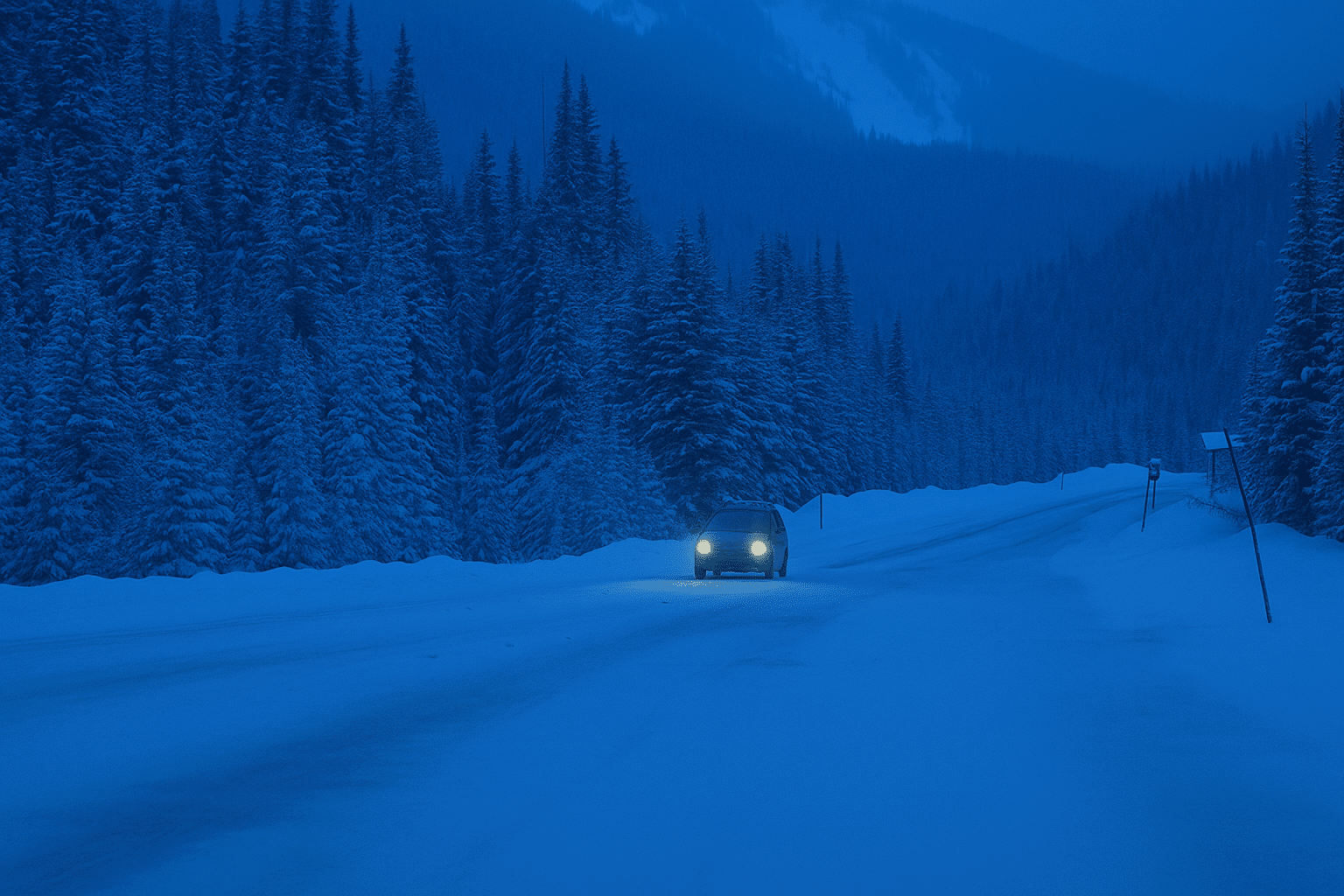
Winter driving laws can be a moving target, but the mission’s always the same — safety first, damage last. Most states let you use chains whenever the weather calls for it, but a few have firm cutoff dates to prevent road wear once things warm up.
Before you roll out, take a quick look at your state’s DOT site or roadside chain-control updates. A few minutes of prep now can prevent a ticket, a tow, or worse — being stuck in a storm unprepared.
Know the rules. Respect the road. Drive with confidence — and let your Kranken tensioners do the rest.