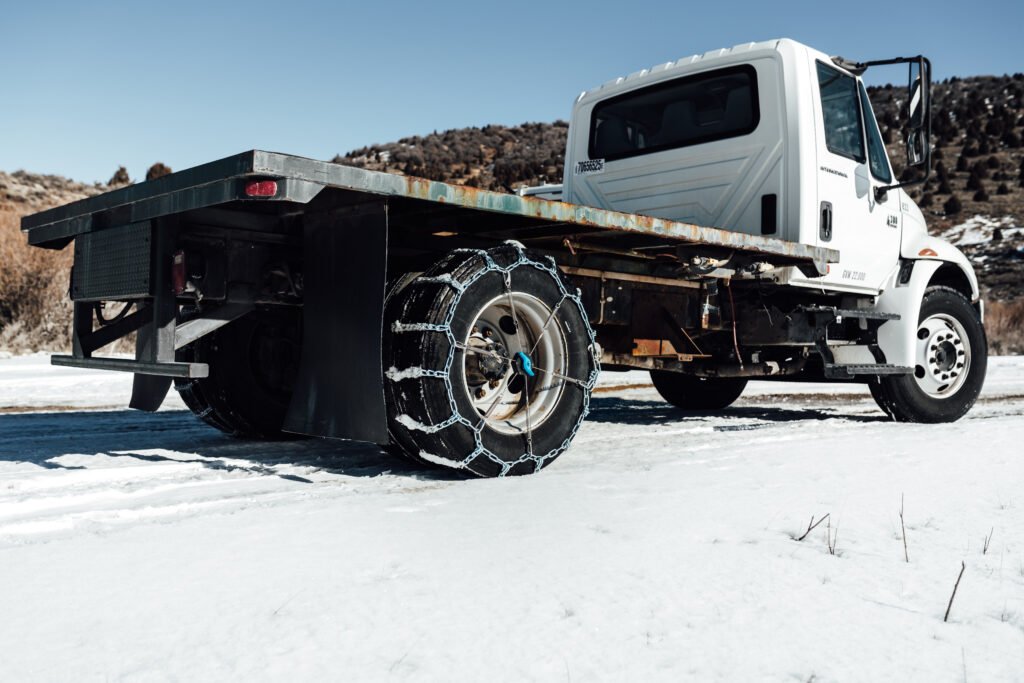
It's easy to think of chain season as something that starts in December. The mountains don't see it that way. Early-season storms are already hitting western passes, and some carry laws kicked in weeks ago.
Here's what's happening now, what's already required, and a short checklist to get ready before the next storm.
Snow Is Already on the Passes
On October 28, winter driving conditions returned to Snoqualmie, Stevens and White passes in Washington. Heavy snow fell on Snoqualmie Pass that morning, White Pass was covered in snow and slush, and totals approaching a foot were expected at the highest elevations.
Traction tires were advised on all three passes. The Washington State Department of Transportation reminded drivers that vehicles must carry chains over mountain passes in winter, and that drivers without chains that fit their vehicle could face a $500 fine. Studded tires don't count as chains when chains are required.
Early storms like this catch drivers off guard every year, because the valley may still look like fall while the pass looks like January.
Some Carry Laws Are Already in Effect
In Colorado, the chain carry law for commercial vehicles runs every year from September 1 through May 31. Commercial vehicles over 16,000 pounds must carry chains or an approved alternative traction device on I-70 west of Morrison and several other mountain highways during that window, whether or not it's snowing.
That means a truck can be out of compliance on a dry, sunny day in October. Carry laws are about having the equipment on board, not just using it when conditions call for it.
Other states have their own rules, seasons and fines. Before your first winter run, check the DOT for every state on your route.
Why Early-Season Storms Are Tricky
The first storms of the year bring a few hazards that mid-winter storms don't.
- Drivers are out of practice. It's been months since most people chained up. Hands that knew the routine in February have forgotten it by October.
- Gear hasn't been checked. Chains that went into storage wet last spring may have rust, kinks or broken links. Rubber tensioners may have cracked over the summer.
- Conditions change fast. Early storms often mix rain, slush and snow, so roads swing from wet to icy and back. That means more chain-ups and more removals on the same trip.
- Traffic isn't ready either. Other drivers are also adjusting, so give plows and slower vehicles extra room.
Your Pre-Season Chain Checklist
- Pull your chains out and inspect them. Look for rust, broken or stretched links, damaged hooks and kinks. Replace anything worn.
- Check your tensioners. Cracked rubber or stretched bands are a common failure point. Replace them before they fail on a grade.
- Confirm fit. Make sure the chains match your current tire size, especially if you've changed tires since last season.
- Practice once in good light. WSDOT recommends practicing chain installation before you need it. Do one full install in your driveway or yard.
- Pack a chain kit. Keep chains, tensioners, gloves, a headlamp, a kneeling pad and a rag together in one bag.
- Know your route's rules. Check each state's DOT for chain requirements, carry laws and fines.
Utility and Storm Response Crews: Plan Now
Linemen, natural gas technicians and other storm response crews often head out right after the worst weather passes, before roads are cleared. Early-season storms can bring heavy, wet snow that brings down lines and trees, which means crews may be chaining up in the first storm of the year.
If your crew trucks run mountain or rural routes, make sure every truck has chains that fit and a driver who's practiced installing them this season.
How The Kranken Helps When the First Storm Hits
The Kranken is a patented automatic snow chain tensioner (U.S. Patent No. 12,485,712) made to take the guesswork out of chaining up, even when you're out of practice.
- Sub-30-second installation per wheel, without tools.
- Automatic tensioning while driving keeps chains tight as the road changes.
- One-click removal for when you're back on wet or clear pavement.
- Aerospace-grade and marine-grade materials that hold up to cold, wet and salt.
It comes in two models, The Kranken and The Kranken XL. See both at the Kranken shop, and get set up before the next storm rolls in.
Frequently Asked Questions
When does chain season start?
It depends on the state and the weather. Colorado's commercial carry law runs from September 1 through May 31, and early storms can bring chain requirements to mountain passes in October or even earlier. Check your state's DOT for current rules.
Do I need chains in Washington if I have studded tires?
Yes, when chains are required. WSDOT says studded tires don't count as chains, and drivers without chains that fit their vehicle could face a $500 fine.
What is a chain carry law?
A carry law requires certain vehicles to have chains or an approved traction device on board during a set season on specific roads, even when chains aren't required to be installed.
How should I check my chains before winter?
Look for rust, broken or stretched links, damaged hooks and kinks, confirm the chains fit your current tires, and replace cracked or stretched tensioners. Then do one practice install in good light.